
Mold in Maumee and Perrysburg homes
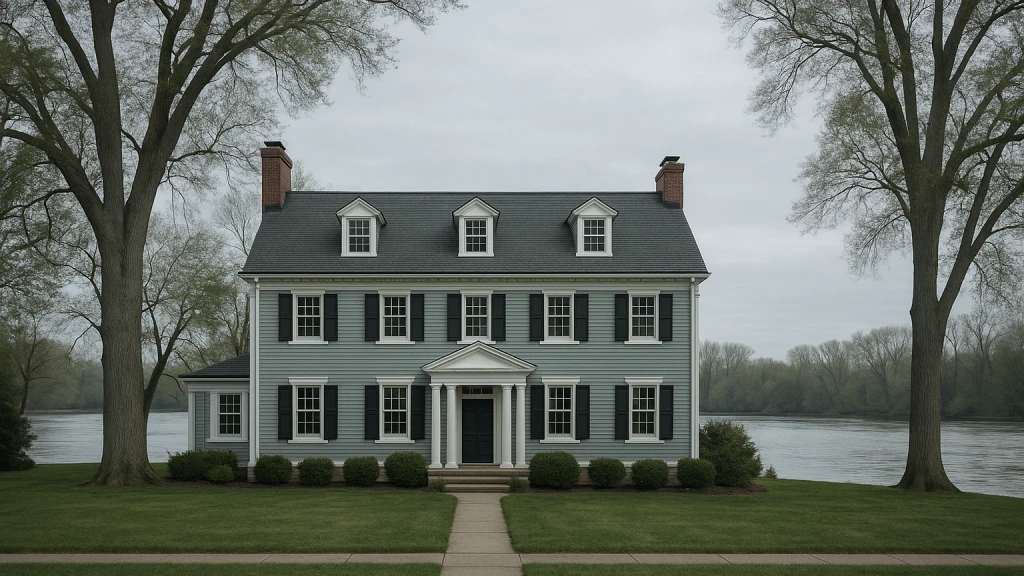
Maumee and Perrysburg face each other across the river that gives the city of Maumee its name, anchoring the southern suburbs in Lucas and Wood County. These are desirable river towns — historic downtowns, established neighborhoods, and newer subdivisions — and the river that defines them is also the central fact of their moisture story. Riverfront and near-river lots sit close to a high seasonal water table, spring brings high water and the occasional flood concern, and the area's large homes often have the finished basements that turn a moisture problem into an expensive one. From historic Perrysburg's century homes to Maumee's mix of old and new, water is never far away.
The Maumee River runs high in spring with snowmelt and rain, and the towns along it have a long memory for flooding. Even away from the immediate floodplain, the regional clay soil and a water table that rises with the river keep basement moisture in play across both communities. Newer subdivisions on former farmland bring their own issues — disturbed soil, modern slab and basement construction, and big finished lower levels that hide moisture well. Older Perrysburg homes near the historic district carry the familiar century-home traits: stone foundations, plaster, and deep, damp basements.
What drives mold in the river towns
- Proximity to the Maumee River, with a high seasonal water table and spring high-water periods.
- A mix of historic and new construction, each with its own moisture vulnerabilities.
- Large finished basements common in the area's bigger homes, where mold hides behind expensive finishes.
- Clay-bound and disturbed subdivision soils that drain slowly and press water against foundations.
The riverfront and high-water factor
Homes on or near the river deserve special attention to water management. Spring high water raises the local water table even where the river doesn't crest its banks, increasing seepage into basements across both towns. Properties that have flooded or sat in high groundwater need fast water-damage response to prevent mold, and ongoing protection — backup sumps, drainage, and humidity control — to manage the seasonal cycle. For homes in the actual floodplain, separate flood insurance matters, since standard policies won't cover river flooding; our Ohio mold and insurance guide explains how that works.
Historic Perrysburg and big finished basements
Perrysburg's historic district brings stately older homes with the moisture quirks of any century-old house — damp stone basements, plaster walls that hide moisture, complex attics — calling for the same careful approach used in Toledo's Old West End. Meanwhile, the larger homes throughout Maumee and Perrysburg, old and new, tend to have extensively finished basements, which raises the stakes of any moisture problem. As elsewhere, a finished lower level can hide mold behind drywall and cabinetry until it has spread, making early basement assessment a worthwhile habit.
How we help Maumee and Perrysburg homeowners
We connect homeowners in Maumee, Perrysburg, and the surrounding Lucas and Wood County communities with licensed, independent local mold and water-damage professionals for a free, no-pressure assessment. As a referral service, we don't do the work or profit from its size — we match you with the right local pro. The common requests here are basement mold removal, flood and water-damage remediation after high water, and inspection and testing, including pre-sale and pre-purchase for these higher-value homes. Call (419) 574-6133 for a free quote.
If you're near the river or have a large finished basement, getting ahead of the wet season with an assessment is the smart play. Describe your situation and we'll connect you with a local pro who understands river-town moisture.
Reading the seasons along the river
The defining skill for keeping a Maumee or Perrysburg home dry is anticipating the river's rhythm. The local water table rises and falls with the seasons, peaking with spring snowmelt and rain and receding by late summer, so a basement that's perfectly dry in August can begin to weep in March or April. Homeowners who plan for that cycle — testing the sump and its backup before spring, keeping basement humidity controlled, and watching for the first signs of seepage as the water table climbs — stay ahead of mold, while those who only react after the spring thaw fills the basement are always chasing it. For riverfront properties especially, treating the wet season as a predictable event to prepare for, rather than a surprise, is the whole game.
A local pro familiar with the river towns can help you build that seasonal readiness into your home, from sump and drainage upgrades to a humidity-control plan sized for a near-river basement.
Old and new homes, different playbooks
Maumee and Perrysburg span a wide range of housing, and the right approach depends on which you own. Historic Perrysburg homes near the district call for the careful, preservation-minded handling that any century home deserves — managing humidity in a stone basement rather than sealing it, and salvaging original materials during any remediation. Newer subdivision homes, with their large finished basements on disturbed clay soil, call for a different focus: catching moisture behind expensive finishes early and building back with moisture-tolerant materials. In both cases, an inspection that fits the home's age and construction is the right starting point, and our Ohio mold and insurance guide is worth reading for any property near the river's floodplain.