
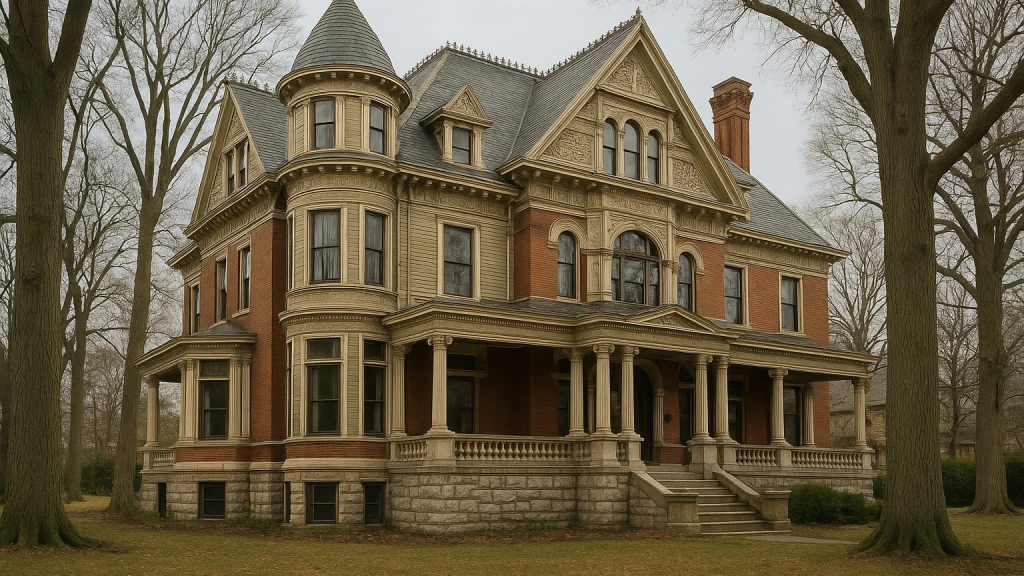
Mold in the Old West End and Central Toledo
The Old West End is one of the largest intact collections of late-Victorian and Edwardian homes in the country — grand, beautiful, and, from a moisture standpoint, a category all their own. Together with the surrounding central Toledo neighborhoods, this is a district of 100-to-130-year-old houses with stone and brick foundations, plaster-and-lath walls, deep basements, big attics, and complex rooflines. Every one of those features is a place water can hide, and a century of patches, additions, and changing standards means the moisture history of these homes is rarely simple. Mold here is less about a single defect and more about old materials meeting modern living.
These houses were built before vapor barriers, before modern waterproofing, and before central air. Their stone foundations were meant to breathe and almost always let in some groundwater; their plaster walls hold and hide moisture; their large attics rely on ventilation that may have been compromised by a century of roofing and remodeling. When a leak or seepage problem develops, the moisture can travel a long way through old wall cavities and settle far from its source. The reward for owning one of these landmarks is real character; the responsibility is staying ahead of water.
What makes historic-home mold different
- Stone and brick foundations that were designed to weep and keep basements perennially damp.
- Plaster-and-lath walls that absorb and conceal moisture, hiding growth until a smell appears.
- Large, complex attics and rooflines with ventilation often compromised by a century of changes.
- Decades of additions and repairs that created hidden transitions where water collects.
Remediation that respects the architecture
The challenge in an Old West End home is removing mold without destroying irreplaceable historic fabric — original plaster, wood trim, leaded glass surrounds, ornate millwork. A remediation pro experienced with older homes works more surgically than in a modern house: containing carefully, removing only what's truly affected, cleaning and salvaging historic materials wherever possible, and drying methodically rather than gutting. There's a real difference between a crew that treats a Victorian like a tract home and one that understands what can be saved. When you're matched with a local pro for one of these homes, that experience matters.
The basement and attic extremes
In these tall old homes, mold concentrates at the two extremes. The deep stone basements stay damp and grow mold on walls, on stored belongings, and behind any later finishing — basement remediation here often means cleaning stone and managing humidity rather than tearing out block. The large attics, meanwhile, suffer the same winter condensation as the rest of Toledo, amplified by complex rooflines and aged ventilation, making attic remediation a frequent need. Between them, the plaster walls can hide moisture from a roof or plumbing leak that traveled far from its origin.
How we help central Toledo homeowners
We connect Old West End and central Toledo homeowners with licensed, independent local mold professionals experienced in older homes, for a free, no-pressure assessment. As a referral service, we don't do the work or profit from its size — we match you with the right pro for a historic property. Because these homes hide moisture so well, an inspection is usually the wise first step, mapping where water is actually going before any work begins. Whether it's a damp stone basement, a musty plaster wall, or an attic stained from winter condensation, we'll point you to someone who knows how to handle a landmark home. Call (419) 574-6133 or learn why Toledo homes get mold.
Protecting an irreplaceable home
An Old West End house is worth doing right. Mold caught early and remediated by someone who respects the architecture protects both your health and the historic value of the home; a rushed or heavy-handed job can damage what makes the house special. If you own one of these homes and suspect a moisture problem, a careful assessment from an experienced local pro is the place to start.
Managing moisture without harming the house
The central tension in caring for an Old West End home is that the moisture-control measures that work on a modern house can damage a historic one. Sealing a 120-year-old house up tight, slathering the basement in non-breathable coatings, or aggressively encapsulating a stone foundation can trap moisture in materials that were designed to breathe, causing spalling, efflorescence, and even structural harm over time. The right approach is gentler and more intelligent: keep liquid water away from the foundation with good exterior drainage and grading, manage basement humidity with dehumidification rather than impermeable barriers, maintain proper attic ventilation, and fix leaks promptly so moisture never has time to settle into plaster and wood. The goal is to work with the way the building handles moisture, not against it.
This is why matching these homes with a pro experienced in historic construction matters so much. Someone who only knows tract homes may reach for fixes that look thorough but quietly damage irreplaceable fabric. An experienced hand knows what to leave alone.
Preserving value as well as health
For an Old West End owner, mold management is also stewardship of a significant investment and a piece of the city's history. A problem caught early and handled by someone who salvages original plaster, trim, and millwork protects both your family's health and the home's character and value. A rushed, heavy-handed remediation can do lasting damage to what makes the house special — and to its resale appeal. If you suspect a moisture issue, the careful first step is an inspection by someone who understands these homes, mapping where water is actually traveling through the old structure before any work begins. Our overview of why Toledo homes get mold explains the forces at play across the city's older housing.