
Mold in Sylvania and Ottawa Hills homes
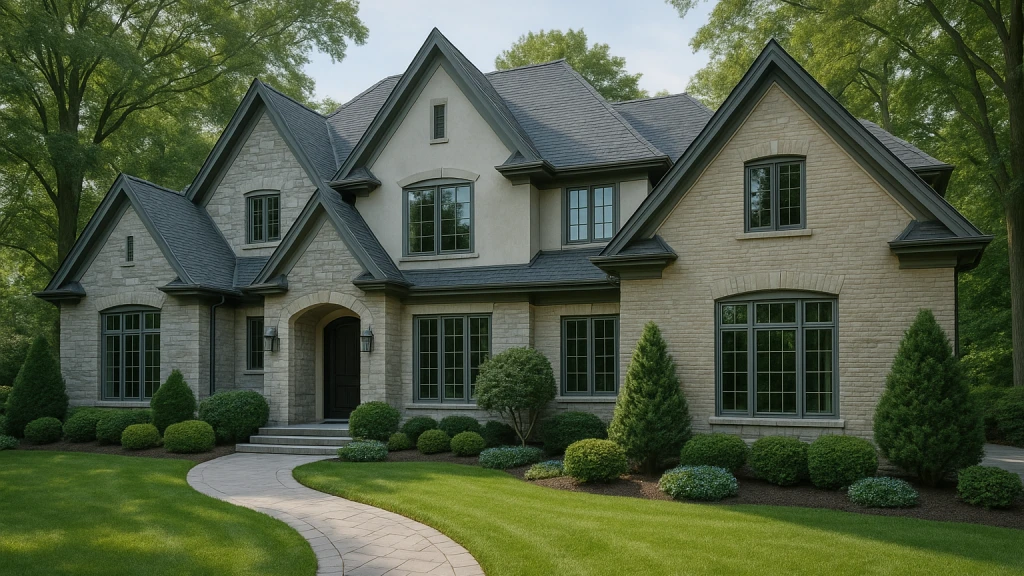
Sylvania and Ottawa Hills represent the higher end of the Toledo-area housing market — established custom homes, leafy lots, and newer upscale subdivisions in Sylvania Township and out toward the western edge of the metro. The homes are generally newer and better built than the city's older stock, but that doesn't make them immune to mold; it just changes where it shows up. In these neighborhoods, the mold problems tend to hide in the very features that make the homes desirable: large finished basements, complex custom rooflines, and the high-end finishes that conceal moisture until it has spread.
Ottawa Hills, the wooded enclave with its distinctive older custom homes, and the Sylvania neighborhoods both sit on the same regional clay, so basement moisture remains a factor even in better-built houses. The difference is that here, basements are often beautifully finished — home theaters, guest suites, wet bars — which means when moisture does get in, there's far more expensive material in harm's way and far more incentive to catch it early. A musty smell in a finished Sylvania basement isn't just unpleasant; it can signal mold growing behind thousands of dollars of drywall, cabinetry, and trim.
Where mold hides in upscale homes
- Large finished basements where moisture gets trapped behind expensive finishes and grows unseen.
- Complex custom rooflines with valleys, dormers, and transitions that create leak-prone spots and attic ventilation challenges.
- Big HVAC systems that, run cold in humid summers, can grow mold in ductwork and spread it through the house.
- High-end bathrooms and wet areas where a slow leak behind tile can go unnoticed behind premium finishes.
The finished-basement stakes
In a Sylvania or Ottawa Hills home, the finished basement is usually the most valuable and most vulnerable space for mold. The same clay soil and seasonal groundwater that affect every Toledo basement are at work, but the finishes hide the early warning signs. By the time a smell appears or a baseboard warps, mold may have spread behind the drywall, into the carpet pad, and through built-in cabinetry. The remediation, when it comes, is more involved precisely because there's more to remove and rebuild. This is why inspection and moisture monitoring pays off in higher-end homes — catching a problem while it's small protects a large investment.
Custom rooflines and attic mold
The architectural variety that makes these homes attractive — multiple gables, dormers, valleys, vaulted ceilings — also complicates attic ventilation and creates more places for winter condensation and ice dams to cause trouble. Attic mold in a complex custom home can be harder to spot and harder to ventilate properly, which makes experienced diagnosis worthwhile. Vaulted and cathedral ceilings, common in these homes, are especially prone to hidden condensation problems because they have little room for airflow above the insulation.
How we help Sylvania and Ottawa Hills homeowners
We connect homeowners in Sylvania, Sylvania Township, Ottawa Hills, and the surrounding upscale neighborhoods with licensed, independent local mold professionals for a free, no-pressure assessment. As a referral service, we don't perform the work or benefit from its scope — our role is to match you with a vetted local pro. The most common requests here are finished-basement mold removal, inspection and testing (including pre-sale for higher-value homes), and attic remediation in complex-roof houses. Call (419) 574-6133 for a free quote.
If you've noticed any dampness, a musty smell, or staining in a finished space, an early inspection is the smart move — the sooner a problem in an expensive home is scoped, the less it costs to fix. Tell us what you're seeing and we'll connect you with the right professional.
Why higher-end homes hide mold longer
The irony of a well-built Sylvania or Ottawa Hills home is that its quality can let a mold problem grow longer before anyone notices. In a modest unfinished basement, a damp spot is obvious. In a beautifully finished lower level, the same moisture hides behind drywall, built-ins, and carpet, and the first sign is often a faint musty smell or a single warped baseboard — by which point growth may have spread behind the finishes. The same goes for complex rooflines and big HVAC systems, where problems develop in places homeowners rarely look. The lesson isn't that these homes are more prone to mold; it's that they reward vigilance, because the warning signs are quieter and the eventual cost of ignoring them is higher.
Practically, that means treating any basement dampness, sump issue, persistent musty smell, or unexplained allergy pattern as worth a prompt look rather than a wait-and-see. In an expensive home, an early moisture check is genuinely cheap insurance against a large remediation.
Protecting a major investment at resale
For higher-value homes, the resale stakes around mold are real. Buyers of premium properties tend to order thorough inspections, and a finished-basement or attic mold issue discovered late in a deal can cost far more in renegotiation than it would have to address proactively. Sellers who get ahead of it — an independent inspection, remediation if needed, and clean documentation showing the problem was professionally resolved — protect both their price and their timeline. Whether you're planning to sell soon or simply protecting the home you intend to keep, catching and documenting any moisture issue early is the move that preserves value. Tell us what you're noticing and we'll connect you with a local pro suited to a high-end property.