
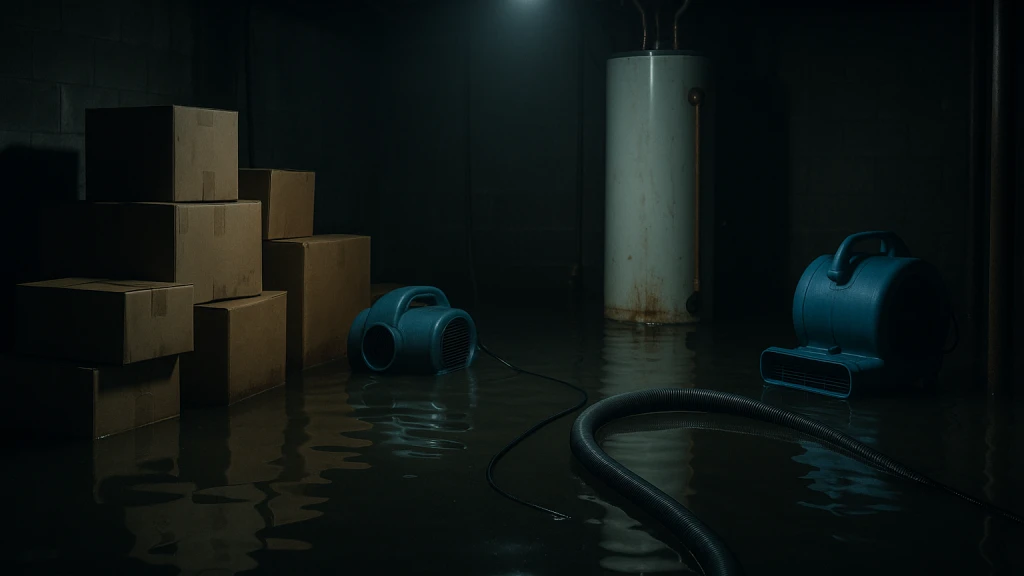
After water, the clock is the enemy
When water gets into a Toledo home — a sump pump that quit during a thunderstorm, a sewer line that backed up into the basement, a pipe that burst in a January cold snap, or the Maumee coming up after a heavy spring melt — the mold risk is set in the first 24 to 48 hours. Mold doesn't wait for the water to be obvious. Spores are everywhere already; all they need is wet material and a couple of days. That's why water-damage remediation is fundamentally a race: get the standing water out, get the structure dry, and you can often prevent mold entirely. Miss that window, and a water cleanup becomes a mold remediation.
Toledo sees more of these events than its dry reputation suggests. The combined storm-and-sanitary sewers in older neighborhoods can back up into basements during intense rain. Spring snowmelt and ice jams raise river and creek levels. Aging sump pumps fail at exactly the wrong moment, usually during the same storm that knocks out the power they run on. And winter brings frozen and burst pipes. Each one puts water where it shouldn't be, and each one starts the same clock.
The categories of water matter
Not all flood water is equal, and the category drives how the cleanup has to be handled:
- Clean water (a supply line, rainwater) carries the lowest contamination risk but still grows mold fast if materials stay wet.
- Gray water (dishwasher, washing machine, sump overflow) contains some contamination and requires more careful material handling.
- Black water (sewer backups, river flooding) is contaminated with bacteria and pathogens. Porous materials it touches — carpet, pad, drywall, insulation — generally must be removed and discarded, not dried and saved.
Sewer backups and river flooding are the ones to take most seriously. Beyond the mold risk, the contamination itself is a health hazard, and the safe approach is removal and disinfection rather than salvage.
The first 24–48 hours
- Stay safe. Don't enter standing water near electrical panels or outlets. If the water is from a sewer backup or river flood, treat it as contaminated and limit contact.
- Stop the source if you can. Shut off the water supply for a burst pipe; once power is safely restored, get the sump working again.
- Extract and document. Professional extraction pulls standing water fast. Photograph everything first for insurance.
- Dry aggressively. Commercial air movers and dehumidifiers dry the structure to a measured target — this is the step that actually prevents mold, and it's where home box fans fall short.
- Remove what can't be saved. Soaked carpet pad, wet drywall, and anything touched by contaminated water comes out.
When mold has already started
If more than a couple of days have passed, or the home sat wet before anyone noticed, you're likely past prevention and into remediation. At that point the work shifts to containment, removal of moldy materials, treatment, and verified drying — the same containment-first process used for black mold and basement mold. The faster you act either way, the smaller and cheaper the job stays.
Insurance and water damage
This is where Toledo homeowners get tripped up. A sudden burst pipe is often covered by a standard Ohio homeowner policy, but sewer and drain backup usually requires a specific rider, and flood from rising surface water (including the river) is excluded entirely unless you carry separate flood insurance. The resulting mold is typically only covered when it stems from a covered water event. Document everything, report promptly, and read our Ohio mold and insurance guide before you assume you're covered — the distinctions matter a great deal here.
What it costs
Emergency water extraction and drying is often a few hundred to a few thousand dollars depending on the area and how much equipment runs for how long. Add material removal and rebuild, and a finished-basement flood climbs into four or five figures. Contaminated black-water events cost more because more material must be discarded. The single biggest cost driver is how long the home stayed wet — which is the whole argument for calling fast. If you're dealing with active water now, call (419) 574-6133 and we'll connect you with a local pro who can move quickly.
Protecting your belongings during the response
In the rush to deal with structure, it's easy to lose salvageable belongings — or to keep contaminated ones that become a health risk. A few quick rules help. Get undamaged items up and out of the wet area first so they don't wick moisture. For things that did get wet, the category of water decides their fate: items touched by clean water can often be dried and saved if you act fast, while anything soaked by sewer or river water that's porous — upholstered furniture, mattresses, carpet, stuffed toys, papers — generally has to be discarded for safety. Hard, non-porous items can usually be cleaned and disinfected. Photograph everything before you throw it out, both for insurance and so you have a record of the loss.
Electronics and appliances that were submerged should be left unplugged and checked by a professional before use, not switched on to "test" them. And resist the urge to put wet rugs, boxes, or furniture back in the basement once the floor looks dry — reintroducing damp, porous items is a common way mold gets a second start after the structure itself has been handled correctly.
Preventing the next basement flood
After the immediate crisis, it's worth turning the event into prevention, because in Toledo a basement that flooded once will usually flood again without changes. The highest-value moves are a reliable sump pump with battery or water-powered backup so a storm-time outage doesn't sink you, a backwater valve if sewer backups are your issue, and better exterior drainage — grading that slopes away from the house and downspouts extended well clear of the foundation. For homes near the river, lake, or bay, where the water table runs high, ongoing humidity control and redundant sump protection matter year-round, not just during storms. Our basement mold prevention guide walks through each of these so the next big rain is an inconvenience instead of a disaster.